Mini Zoos & Parks
Ex-Situ Conservation & Botanical Wonders
The wildlife wing of the Meghalaya Forests & Environment Department establishes and maintains Mini Zoos, Gardens, and Parks. These serve as pivotal spaces for the ex-situ conservation of endangered species, act as professional rescue rehabilitation units, and promote critical environmental awareness among thousands of local and global visitors.
- ConserveCare for endangered species outside the wild
- RescueTreat and rehabilitate injured or orphaned animals
- EducateBuild awareness among local and global visitors
Explore Parks & Gardens
Lady Hydari Park
Danakgre Mini Zoo
Lum Nehru Park
Lady Hydari Park & Mini Zoo
Established in 1937 South of the Shillong Secretariat. Features three major hubs: Park/Garden Area, Animal Land, and Forest Museum.
Chronological Milestones:
Animal Land Exhibits:
Nehru Park cum Mini Zoo, Danakgre
The only wildlife zoo in the Garo Hills region, acting as a crucial sanctuary for orphaned and injured forest animals.
Chronological Milestones:
Zoo Species Exhibits:
Strategic Vision & Mission
- 📌 Engaging in strict Animal Welfare, collaborative research, and local conservation breeding plans.
- 📌 Ecologically sound design principles maintaining zero-pollution environments.
- 📌 Outstanding "Value for Money" offering learning, fun, and entertainment.
- 📌 Functioning as a primary Rescue Centre for seized, orphaned, and injured wild animals of Garo Hills.
- 📌 Cultivating deep empathy and understanding of ecological linkages amongst local visitors.
- 📌 Coordinating planned conservation breeding of regional endangered species.
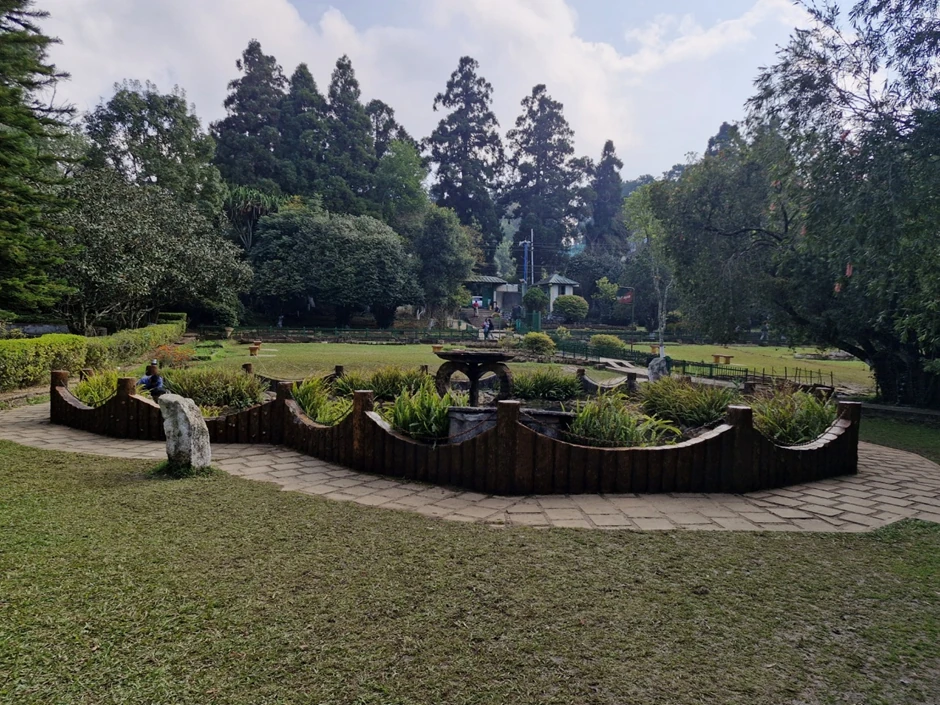
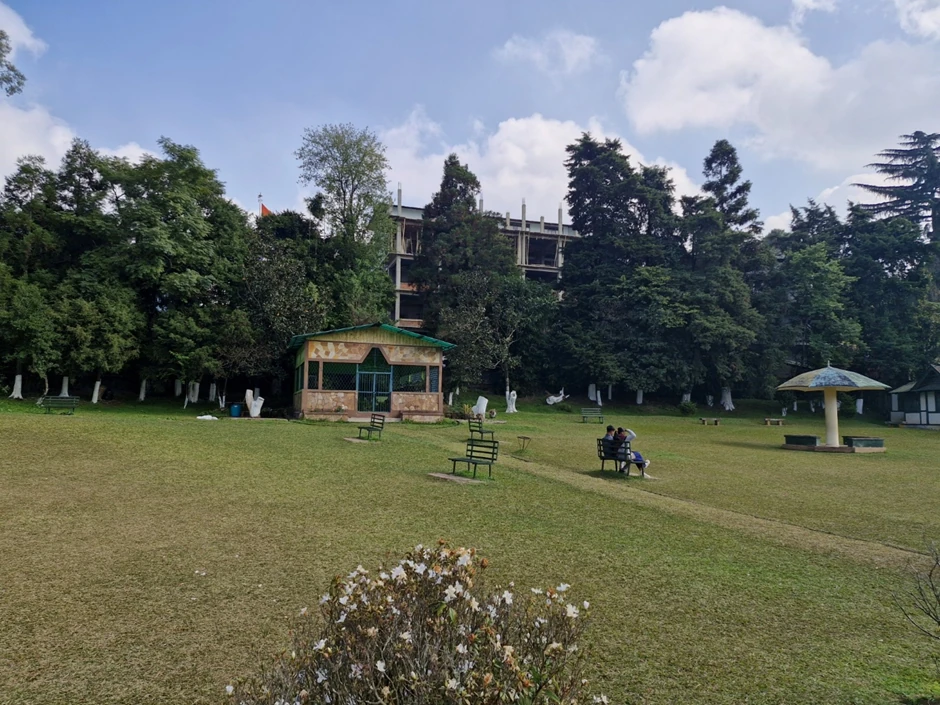
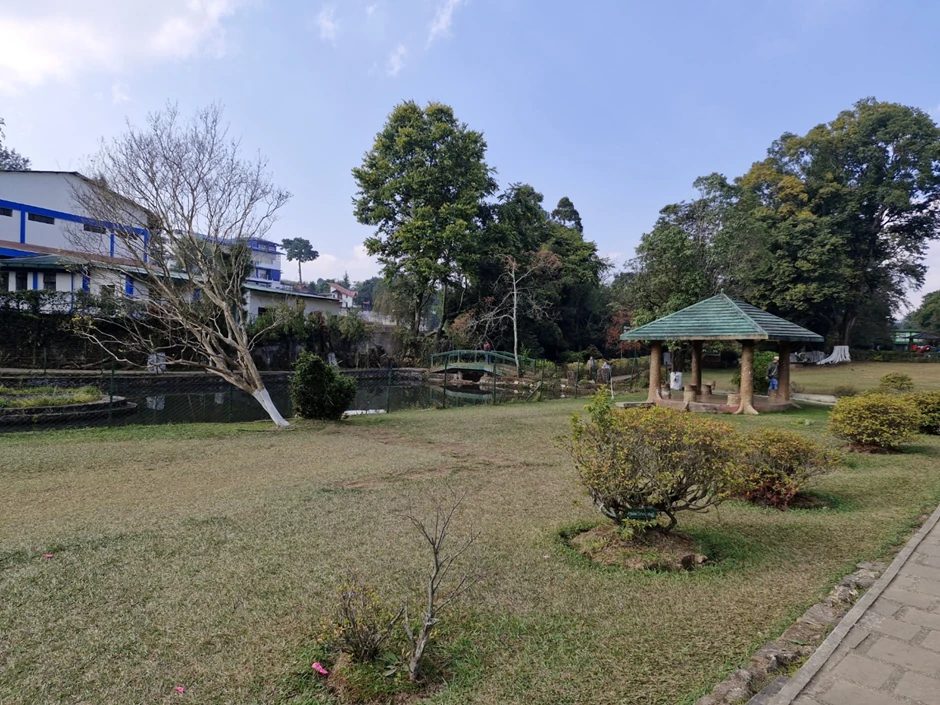
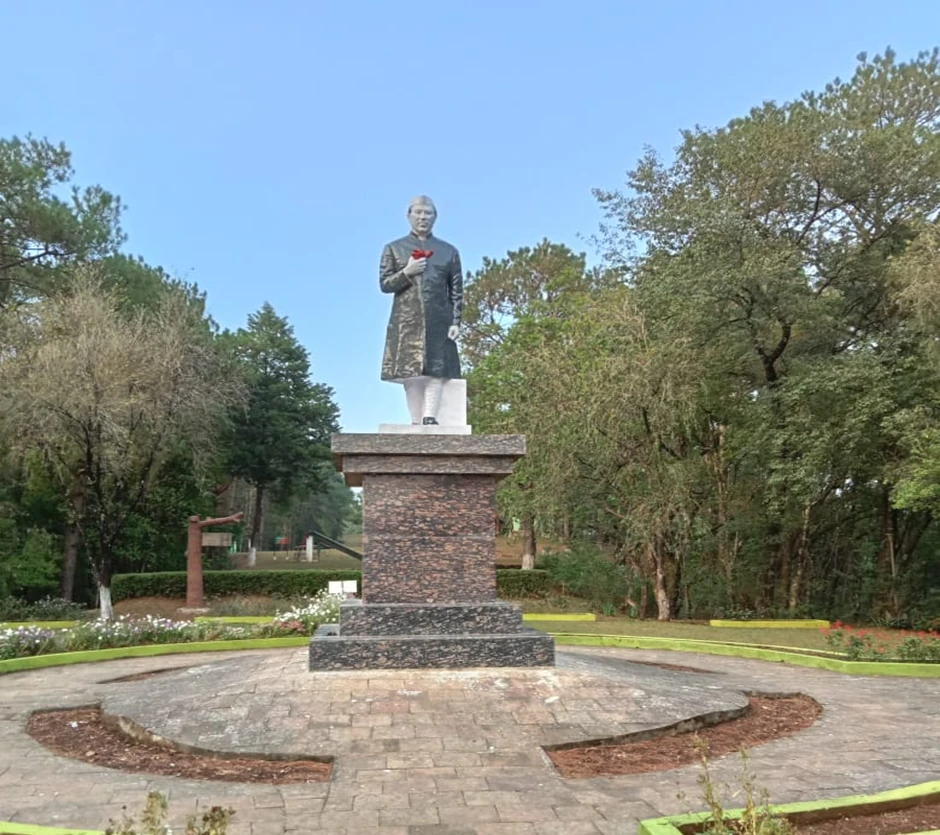
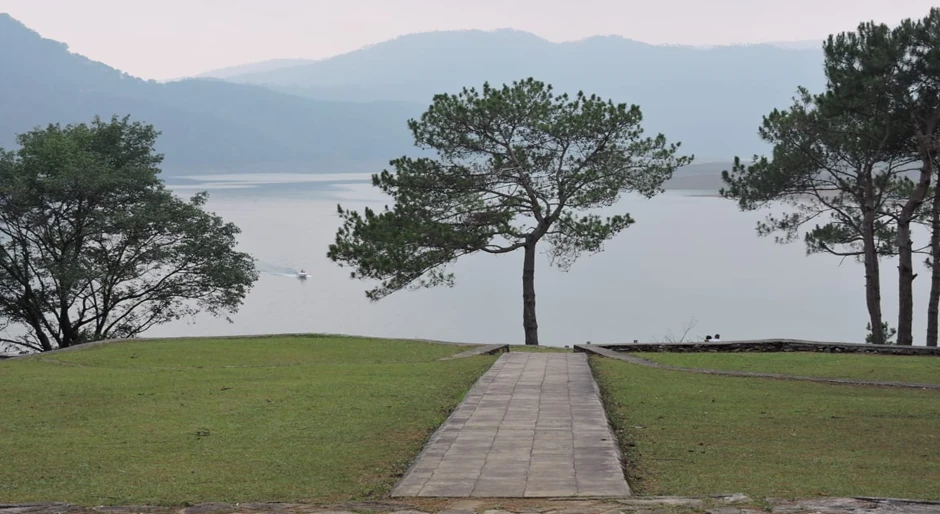
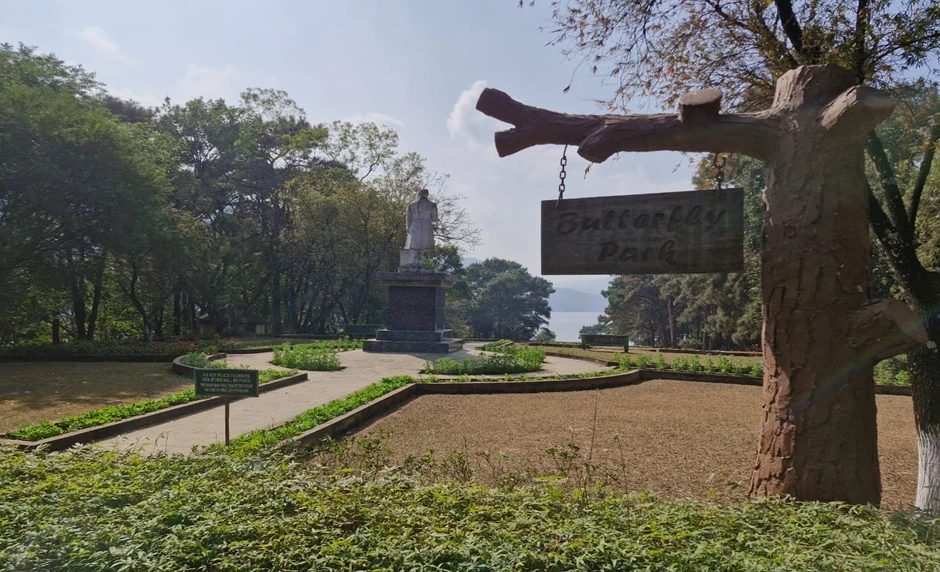
Lum Nehru Park, Umiam
A beautiful 22.5-acre lakeside catchment garden surrounding the windswept hills of the Umiam Hydel reservoir.
Chronological Milestones:
Lady Hydari Park / Ka Phan Nonglait Park
_
Lum Nehru Park
_
Meghalaya Biological Park, Umtrew
Nestled amidst the lush green forests of Umtrew in Ri-Bhoi District, Meghalaya Biological Park is the State Zoo of Meghalaya, spread over approximately 72 hectares and located about 25 km from Shillong along the Shillong–Guwahati National Highway. The Park was inaugurated on 27 November 2024, marking a significant milestone in the evolution of zoological management in the State. It provides a spacious and scientifically managed setting for wildlife, addressing the space constraints of the erstwhile Mini Zoo at Lady Hydari Park, Shillong, from where the animals were subsequently shifted to Umtrew.
Planned with due consideration to the natural topography, climate and forest character of Meghalaya, the Park primarily showcases the rich and distinctive fauna of Meghalaya and Northeast India. Its animal collection includes important regional species such as the Clouded Leopard, Common Leopard, Hoolock Gibbon, Himalayan Black Bear, Stump-tailed Macaque, Leopard Cat, Golden Jackal, Sambar Deer, Northern Red Muntjac and several native birds and reptiles.
The Park places strong emphasis on animal welfare, scientific management, conservation breeding, rescue and rehabilitation, research and environmental education. Dedicated conservation initiatives for flagship species such as the Clouded Leopard and Hoolock Gibbon further strengthen its conservation role.
Through naturalistic animal habitats, conservation programmes and visitor education, Meghalaya Biological Park seeks to connect people with wildlife and inspire greater appreciation and protection of Meghalaya’s remarkable biodiversity and natural heritage.