

Sacred Groves
Sacred Groves
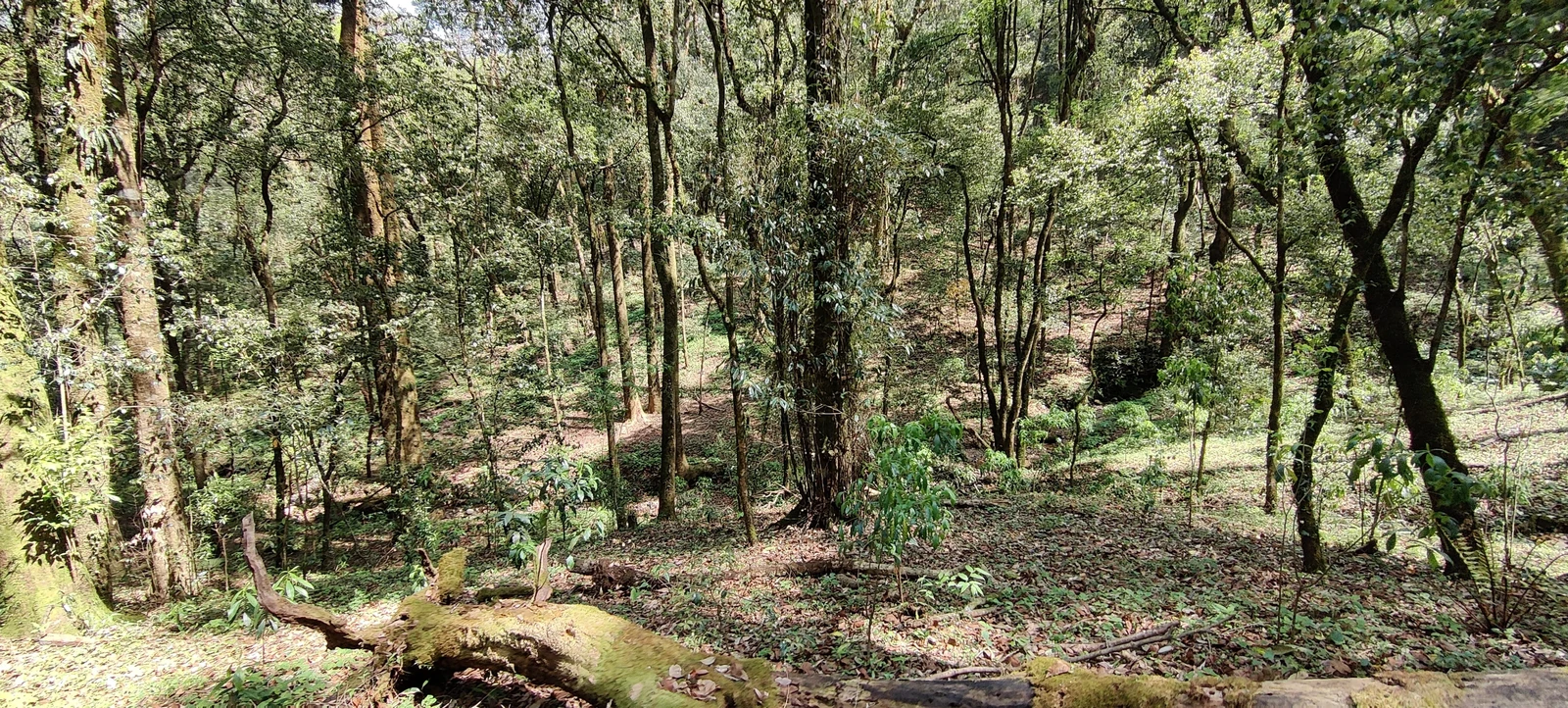
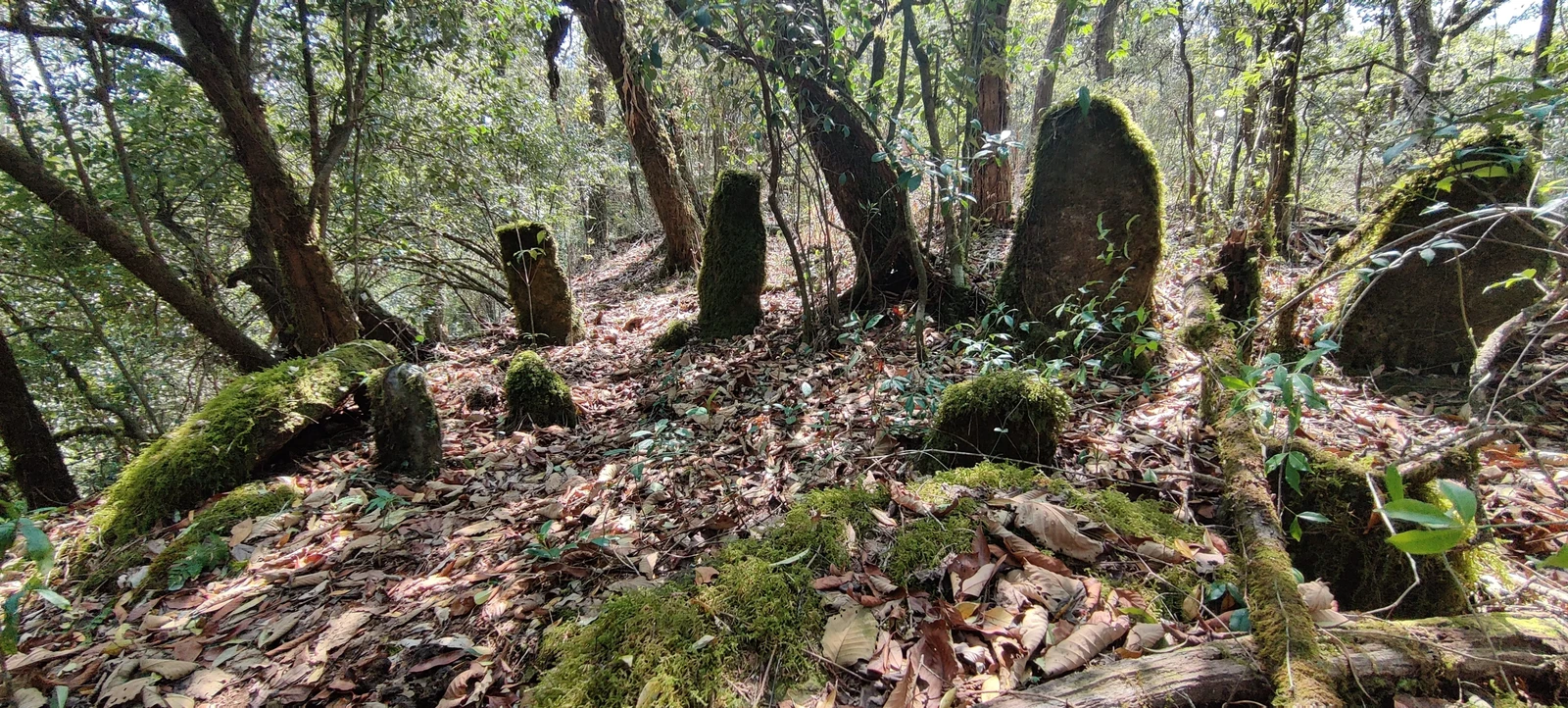
Sacred groves are forest patches conserved by local communities through traditional customs, cultural practices and religious beliefs.
Often regarded as remnants of the natural vegetation that once covered extensive areas, these forests represent an important form of community-led biodiversity conservation. They serve as repositories of indigenous flora and fauna, preserve traditional ecological knowledge and reflect the close relationship between local communities and their natural environment.
Sacred Groves in Meghalaya
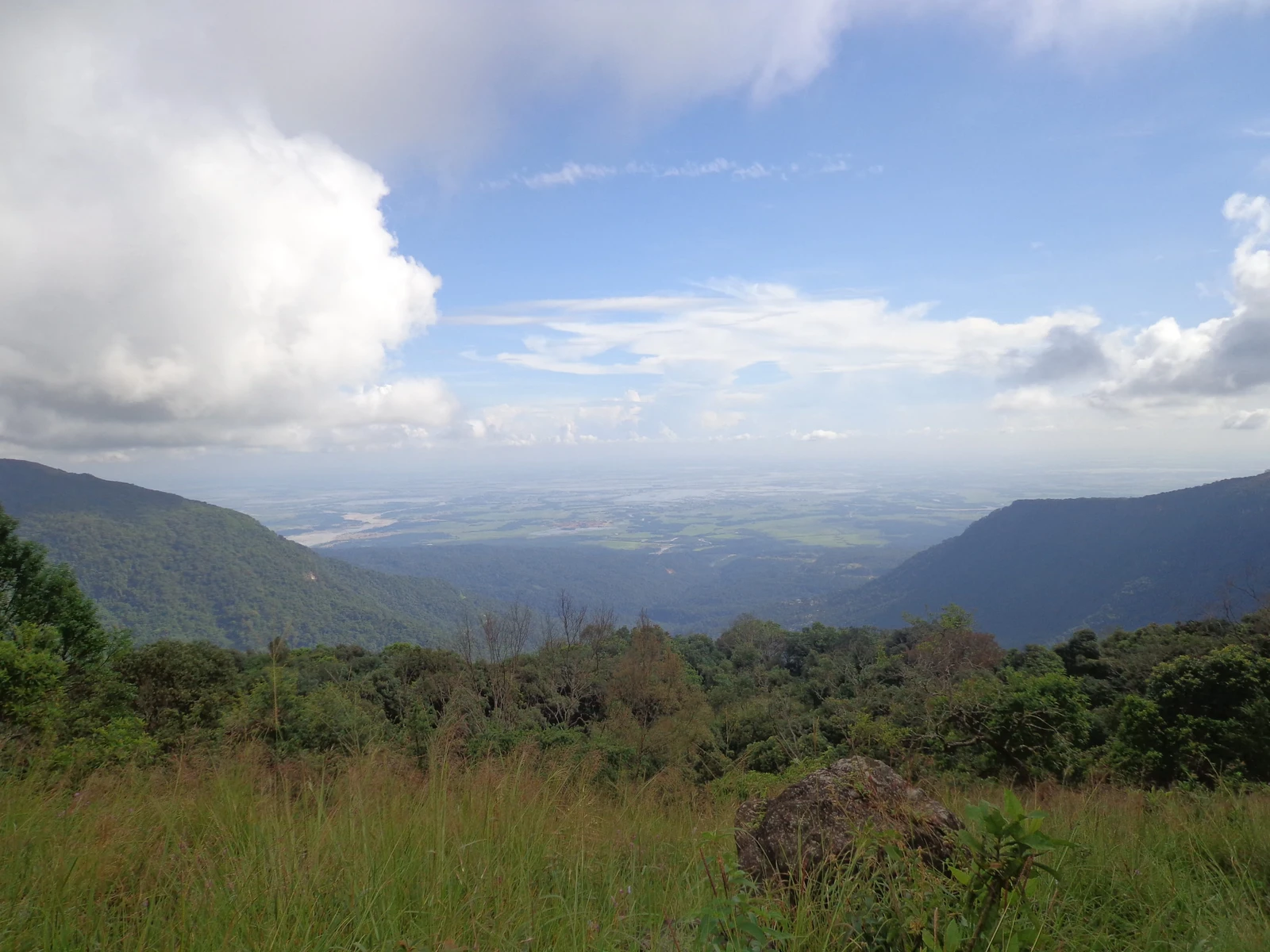
In Meghalaya, sacred groves represent an age-old tradition of environmental conservation rooted in indigenous knowledge, customary practices and spiritual beliefs. Traditionally conserved by Khasi, Pnar (Jaintia) and other indigenous communities, these forests have been protected across generations through customary institutions and community-based rules. They are particularly prominent in the Khasi and Jaintia Hills.
Sacred groves are locally known as Khlaw Kyntang, Law Kyntang or Law Lyngdoh in the Khasi Hills, and Khloo Blai in the Jaintia Hills. Many have remained relatively less disturbed than surrounding landscapes and provide important habitats for rare, endemic, endangered and threatened plant species. They also contribute to soil conservation, water regulation, watershed protection and the maintenance of ecological balance.
A baseline floristic survey published in scientific research documented at least 514 plant species belonging to 340 genera and 131 families in the sacred groves studied. This finding highlights their considerable botanical diversity and conservation value.
Extent and Documentation
The Forests and Environment Department, Government of Meghalaya, has undertaken systematic surveys, mapping and forest inventories to document the ecological characteristics and biodiversity of sacred groves. According to the Department’s Forest Resources Survey, 154 sacred groves have been mapped across the East Khasi Hills, West Khasi Hills, South West Khasi Hills, Ri Bhoi and Jaintia Hills areas.
These figures represent different stages of the survey and mapping process and should not be interpreted as a definitive statewide census of every sacred grove in Meghalaya. The total number and extent of sacred groves may be higher, as some community-conserved forests remain to be documented.
Cultural and Religious Significance
Sacred groves are living expressions of Meghalaya’s indigenous cultural heritage. In Khasi traditional beliefs, forest deities and guardian spirits, including U Ryngkew, U Basa and Labasa, are associated with the protection and well-being of communities. In the Jaintia Hills, sacred forests are linked to traditional religious beliefs and customary practices.
Rituals and ceremonies may be performed in these forests in accordance with the traditions of the communities concerned. Customary rules governing entry, the removal of forest produce, tree cutting and other activities vary from one grove to another. Such practices have historically helped protect vegetation, wildlife habitats and other natural resources, while sustaining cultural identity and intergenerational knowledge.
Traditional Governance and Conservation
The management of sacred groves is closely associated with customary institutions, community authorities and, in some places, traditional religious functionaries such as the Lyngdohs. The applicable arrangements differ among communities and locations. Customary rules and locally accepted restrictions have played a significant role in conserving these forests over generations.
The conservation of sacred groves demonstrates how indigenous knowledge and community stewardship can complement scientific approaches to biodiversity conservation. Their continued protection is important not only for safeguarding rare plant species and natural habitats, but also for maintaining ecological connectivity, protecting watersheds and preserving Meghalaya’s living cultural heritage.
Mawphlang Sacred Grove
Located approximately 25 kilometres from Shillong in the East Khasi Hills district, is among Meghalaya’s best-known sacred forests. Covering approximately 78 hectares, it is an important site for biodiversity conservation, environmental education and cultural tourism. The grove is associated with the local guardian deity Labasa and is protected through customary beliefs and practices.
A living example of the symbiotic relationship between forests and the indigenous tribal population. Mawphlang provides an opportunity to understand the ecological importance of relatively well-preserved forest ecosystems and the role of traditional community institutions in conservation. Visitors should respect local customs, follow the guidance of community authorities and comply with restrictions applicable to the site.
Key Achievements — Forest Inventory of Sacred Groves of Meghalaya
| Volume | No. of Sacred Groves | Total Area (ha.) | Publication Year |
|---|---|---|---|
| Vol. I | 20 | 368.954 | 2017 |
| Vol. II | 20 | 613.501 | 2022 |
| Vol. III | 24 | 955.304 | 2024 |
| Total | 64 | 1937.759 | — |
Publications - Forest Inventory of Sacred Groves
-
Volume I-Forest Inventory of Sacred Groves of Meghalaya 20-08-2019ViewDownload
-
Volume II-Forest Inventory of Sacred Groves of Meghalaya 30-06-2023ViewDownload
-
Volume III-Forest Inventory of Sacred Groves of Meghalaya 09-12-2024ViewDownload
-
Volume IV-Forest Inventory of Sacred Groves of Meghalaya 2024-25ViewDownload
-
Volume V-Forest Inventory of Sacred Groves in Meghalaya 04/2025ViewDownload
Threats and Conservation Priorities
Despite their cultural and ecological importance, sacred groves face pressures arising from changes in land use, encroachment, forest degradation and the weakening of customary conservation practices in some locations.
Other potential pressures include fragmentation of surrounding habitats, unsustainable resource extraction and limited documentation of biodiversity and traditional management systems.
Addressing these challenges requires continued documentation and monitoring, respect for customary institutions, community participation and greater awareness of the ecological value of sacred groves. Scientific inventories, biodiversity assessments and appropriate conservation planning can support local efforts to protect these forests.